


WhatColors: AI Color Analysis
3.1463.00 Reviews
App Specs
- Version
- 2.1.0
- Updated On
- License
- Free
- Downloads
- 100,000+
- Developer
- Quiet Games.
- Categories
- Beauty
- Platform
- Android
Screenshots
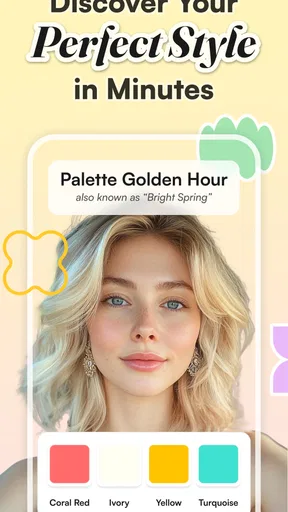
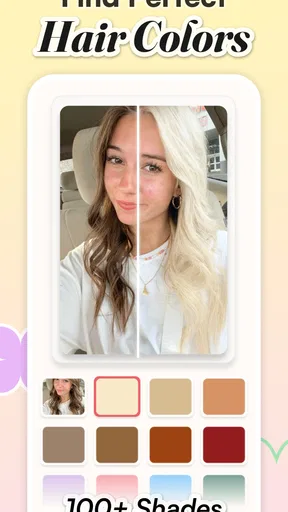
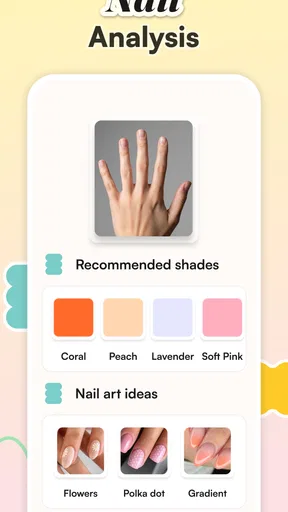
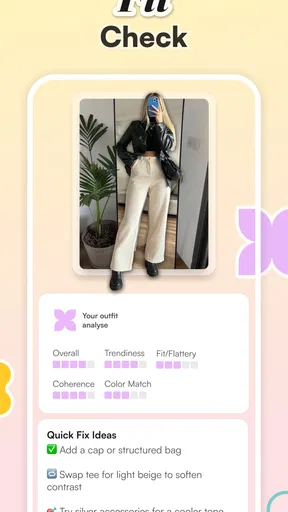
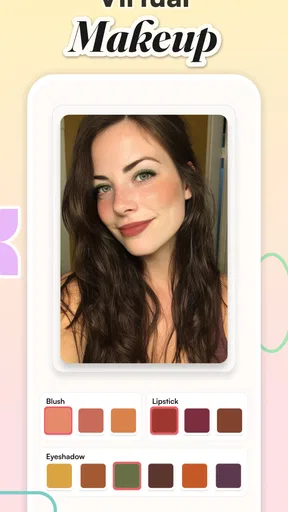
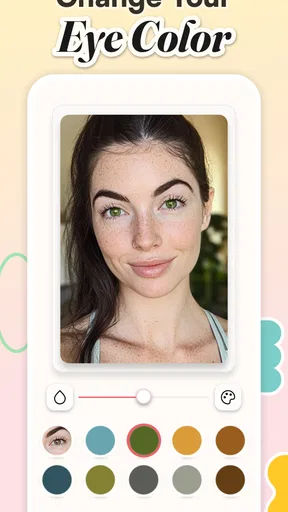
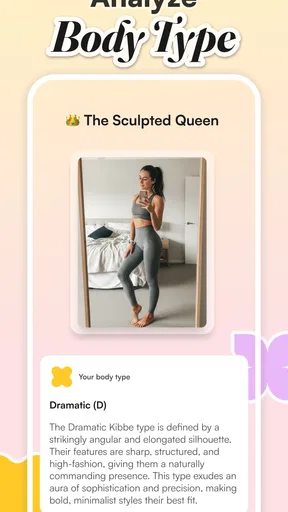
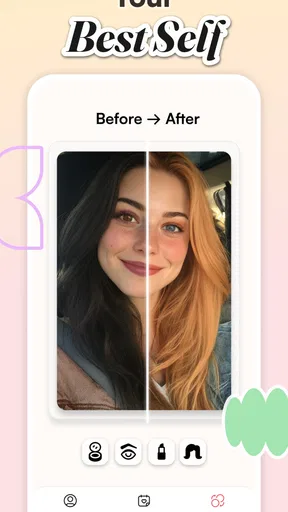
 Analysis by AppCompare
Have you ever stood in front of your closet, staring at a sea of clothes, yet feeling like you have nothing to wear? Or maybe you've tried to match an outfit, only to realize the colors clash in the worst way possible? If so, WhatColors: AI Color Analysis might just be your new best friend. Let me take you through my experience with this app.
The first-week appeal
For the first few outfit checks, the appeal is easy to understand: a color reading gives you a quick starting point when you are unsure what to wear. I would use it as a second opinion, not as a rulebook. A photo can make a garment look different from how it appears in daylight, and a palette suggestion is most useful when it helps you notice options you might otherwise overlook.
A realistic use is getting dressed for work or a casual event when you have one item in mind but are uncertain what to pair with it. Instead of trying on every possible combination, you can check a photo and use the suggested shades to narrow your choices. I would still hold the clothes together in person before deciding: screens and indoor lighting can shift colors, so the app’s result should guide, not replace, your own eyes.
Getting Started with WhatColors
First off, downloading WhatColors: AI Color Analysis is a breeze. Whether you're on Android or iOS, a quick hop to the app store will have it ready to go in minutes. Once installed, the app greets you with a clean and intuitive interface. I appreciate apps that don't overwhelm with clutter, and WhatColors nails this perfectly. It's like a breath of fresh air!
Exploring the Features
The app's main feature is its ability to analyze colors from your photos. Simply snap a picture of your outfit, and the AI does its magic. It identifies the dominant colors and gives you suggestions on complementary shades. I tried it with a few photos, and the results were spot on. The AI even picked up subtle hues I hadn't noticed before. It's like having a fashion-savvy friend in your pocket.
The app also offers a color palette feature. You can explore various palettes curated by professionals or create your own. I had a blast experimenting with different combinations, and it’s a neat way to discover new styles. Plus, there’s a community section where users share their palettes, which is both inspiring and helpful.
Making the results useful month to month
The lasting value of a color tool depends on whether it changes real wardrobe decisions, rather than simply producing an interesting first result. I would get the most from it by checking pieces I already own and keeping a small mental note of combinations that work. That turns a one-off scan into a practical reference when I shop or get dressed again.
Worth Reading Before You Choose

EA SPORTS FC Mobile 26 Is a Bigger Football Game, but It Takes Time

Flipboard Shows What News Apps Must Do Beyond the Feed

Switching to Android Auto Means Rethinking Your Driving Routine

Google Calendar Makes a Crowded Week Easier to Manage

Ludo King Makes the Most of the Minutes Between Plans

Baby Panda World Brings Quick Play to Modern Phones, but Its Game Library Feels Busy
For example, if I am considering a new top, I can compare its likely color family with the clothes I reach for most often. The point is not to chase a perfect palette or rebuild a closet around an app. It is to make a purchase more versatile by asking whether the color will coordinate with several existing pieces. If the suggestion does not suit my taste, I can ignore it; personal style matters more than a machine’s idea of harmony.
My Personal Experience
So, how did this app fit into my daily life? I found it particularly useful for planning outfits for events. Analyzing the colors of my favorite dress and getting suggestions on what accessories to pair it with was incredibly helpful. The app’s suggestions were surprisingly insightful, and I received a ton of compliments on my color choices.
Another cool feature is the DIY mode, where you can manually adjust colors. It's perfect for the creative souls who want to play around and see what works best. I spent a good chunk of time tweaking shades and tones for fun, and it’s a fantastic way to learn more about color theory.
Getting a dependable reading
One useful habit is to take a clear photo in even, natural light when possible, with the item visible and without strong colored lighting nearby. That makes it easier to judge whether a result reflects the clothes or the conditions of the picture. I would also compare more than one image before treating a color suggestion as a reliable pattern, especially for fabric that changes appearance between sunlight and indoor light.
This is where the app differs from simpler alternatives such as a basic color-picker or a saved inspiration board. A color-picker can identify a shade in an image, but it does not necessarily help translate that shade into outfit ideas; a mood board is good for collecting looks, but it relies on your own interpretation. WhatColors is more useful when you want an AI-led prompt from a wardrobe photo. If you already know exactly which colors you like, a notes app or a simple camera album may be quicker and less fussy.
Maintenance without turning style into homework
I would not scan every outfit or try to catalogue an entire closet. That would make a simple styling aid feel like a chore, and the habit is unlikely to last. A lighter routine works better: use it for a tricky combination, an event outfit, or a potential purchase, then leave it alone until another real question comes up.
That selective approach also helps keep the results in perspective. A favorite garment may be worth wearing even if its color is outside a suggested palette, and accessories can change the overall effect without requiring a new wardrobe. The app is best as a prompt for experimentation, not a daily checklist that decides what is allowed.
Who is likely to keep using it?
WhatColors is most appealing to someone who enjoys trying combinations but wants a nudge when choosing shades. It can also help a shopper pause before buying another item that looks attractive on its own but may be difficult to pair with existing clothes. Someone who prefers purely visual inspiration may get more from browsing outfit photos, while a person who wants precise professional styling advice should not treat an automated photo analysis as a substitute for a human consultation.
There is also a practical distinction between enjoying palette play and needing a wardrobe-management system. The app’s core idea is color analysis from photos, so I would choose it for quick visual guidance rather than expecting it to organize clothing, track what I wear, or make a complete shopping plan. Being clear about that keeps expectations sensible and makes it easier to decide whether it earns a regular place on your phone.
Integration with Other Apps
Integration is key these days, and WhatColors doesn't disappoint. You can easily share your palettes and color analyses on social media, which is great for influencers or anyone wanting to showcase their fashion sense. The app also syncs with cloud storage, so you never lose your favorite palettes.
One of the standout integrations is with shopping apps. You can directly find clothing items that match your chosen colors, making online shopping a breeze. It’s a game-changer for anyone looking to revamp their wardrobe without the hassle of endless browsing.
Where the novelty can wear off
The main risk is repetition: once you have tried a few scans and explored combinations, another palette may not feel as useful unless it answers a specific wardrobe question. Color advice is also subjective. A suggested match can be technically harmonious yet still feel wrong for the occasion, your taste, or the clothes’ texture. I would judge the app by whether it helps me make a decision, not by how many suggestions it produces.
There is a small but important trade-off in relying on photos. Fabric color, shadows, camera processing, and background tones can influence what an image seems to show. When a result surprises you, retake the picture in more neutral conditions or check the clothing directly rather than assuming the garment itself is the problem. For a purchase decision, that extra real-world check is worth the moment it takes.
Cost, expectations, and everyday fit
The app is free to download, with in-app purchases listed from $3.99 to $29.99 per item, so I would explore the free experience before paying for anything. Its average rating is 3.1 from around 5.3 thousand ratings, a mixed reception that makes a cautious trial more sensible than assuming every suggestion will land. It has over 100 thousand installs, is rated for Everyone, and is made by Quiet Games. The current version is 1.3.0, and it requires Android 8.0 or later.
Those details matter less than your own use pattern, but they help set expectations: this is a free beauty app with optional purchases, not a reason to spend money before you know that photo-based color advice suits you. If the basic experience answers your occasional outfit questions, it may be enough. If you only want a one-time palette assessment, you may find that you have little reason to return after the initial curiosity fades.
Final Thoughts
In a world where style matters, WhatColors: AI Color Analysis is like having a mini stylist on your phone. It’s user-friendly, feature-rich, and incredibly practical. Whether you're a fashion novice or a seasoned pro, there's something to love here.
The app not only helps in making better fashion choices but also educates you about color coordination. It’s a great way to boost confidence in your style decisions. After using it for a while, I found myself more adventurous with colors, and that’s a win in my book!
If you’re looking to enhance your wardrobe game or simply want to explore the world of colors more deeply, I highly recommend giving WhatColors a try. You might just find it as fun and enlightening as I did!
Does it earn lasting space?
For me, the answer depends on whether I actually reach for color guidance when choosing clothes. WhatColors can be a handy occasional companion: it offers a different way to think about an outfit, especially when a photo makes a subtle shade easier to notice. I would keep it around if those moments come up often enough, but I would not call it essential for someone who already dresses confidently and rarely wants outside input.
The strongest reason to try it is curiosity with a practical purpose: matching a dress to accessories, testing a new combination, or thinking twice about a purchase. The reason to skip it is equally straightforward: if you want a full closet inventory, dependable professional advice, or a tool you will use every day, this is not the right fit. Used selectively and with a little skepticism about photo conditions, it can make color choices more interesting without needing to dictate your style.
Pros
- Accurate color detection for any image.
- User-friendly interface with smooth navigation.
- Wide range of color palettes available.
- Fast processing and instant results.
- Supports multiple file formats for upload.
Cons
- May require internet for optimal performance.
- Ads can be intrusive in the free version.
- Limited features without subscription.
- Occasional glitches with older devices.
- No offline mode for color analysis.
FAQs for WhatColors: AI Color Analysis
What is WhatColors: AI Color Analysis?
WhatColors: AI Color Analysis is an innovative app designed to help users identify and analyze colors using artificial intelligence. Whether you're a designer, artist, or just curious about colors, the app provides precise color information and suggestions. It's a useful tool for anyone who needs to match, understand, or utilize colors effectively.
How accurate is the color analysis provided by WhatColors?
The app uses advanced AI algorithms to deliver highly accurate color analysis. It captures real-world colors through your device’s camera and analyzes them in real-time. While external factors like lighting can affect results, the app is designed to provide precise color identification and recommendations, making it a reliable tool for professionals and enthusiasts alike.
Is WhatColors compatible with both Android and iOS devices?
Yes, WhatColors: AI Color Analysis is available for both Android and iOS platforms. The app is optimized for a wide range of devices, ensuring smooth performance regardless of your smartphone's operating system. You can download it from the Google Play Store or the Apple App Store, depending on your device.
Does WhatColors require an internet connection to function?
WhatColors primarily operates offline, allowing users to analyze colors without needing an internet connection. However, for accessing additional features such as cloud-based color libraries or updates, an internet connection might be necessary. This makes the app versatile for use in various environments, whether online or offline.
Are there any in-app purchases or subscriptions in WhatColors?
While WhatColors offers a robust set of features for free, certain advanced functionalities may be available through in-app purchases or subscriptions. These can include access to premium color palettes, additional AI analysis features, or ad-free experiences. Users can choose to enhance their app experience based on their needs and preferences.


